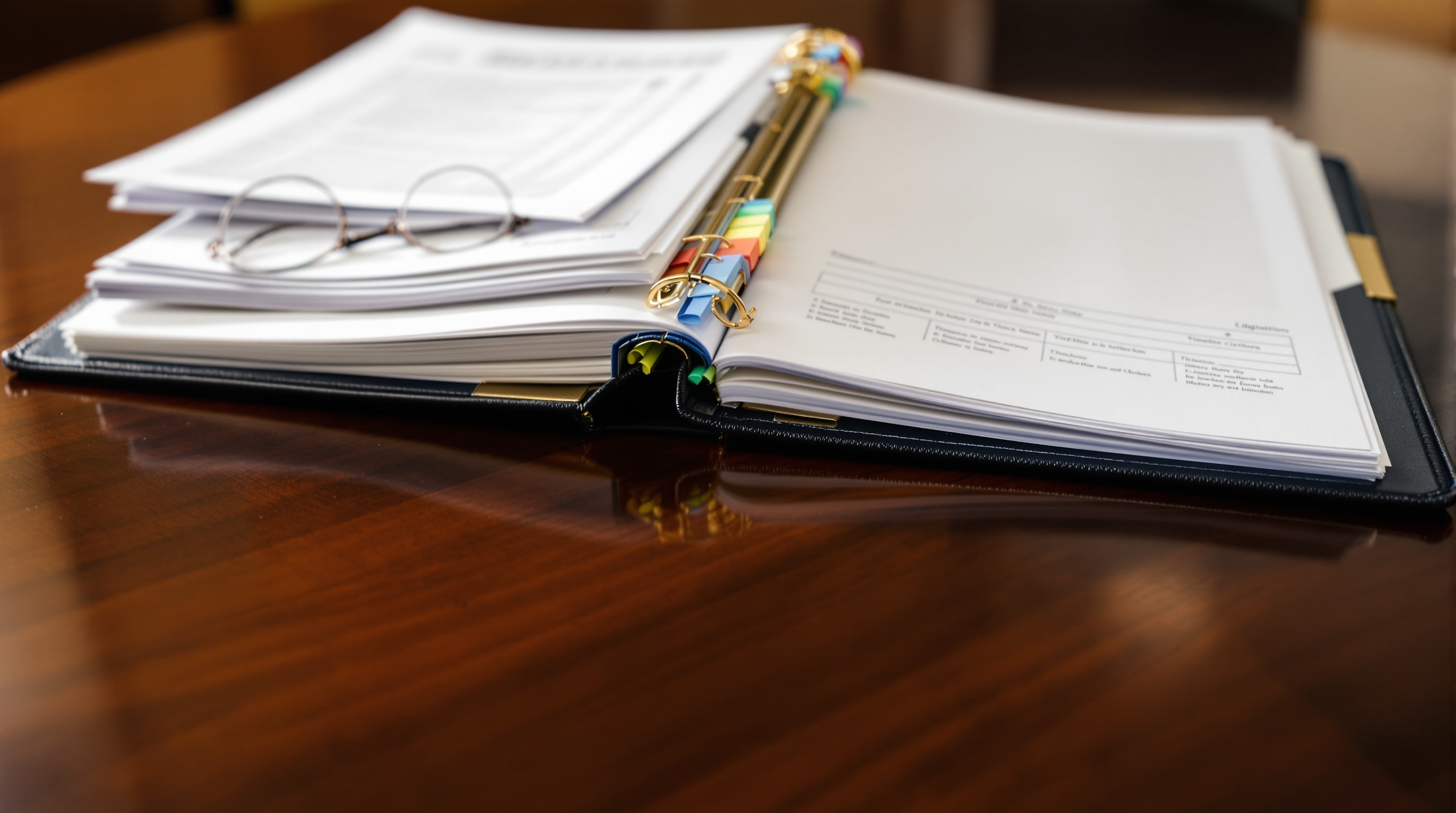
What litigation paralegals do
Experienced trial and litigation paralegals manage cases across their whole life cycle — from intake and underwriting through claims, and from initial sign-up through appeal. They review and analyze court records and public records, prepare documents, reports, tables, and charts, and organize the exhibits and trial notebooks that attorneys rely on in the courtroom. The role is part project manager, part analyst, and part editor, and it demands precision under deadline. Professional standards for the field are maintained by bodies such as NALA — The Paralegal Association and the National Federation of Paralegal Associations.
The economics of legal support
The watchword of modern legal and claims work is cost-effective efficiency. Skilled paralegals let organizations reduce case volume, limit the in-house growth of expensive headcount, and control litigation costs — all while keeping quality high. By handling the substantial groundwork that does not require an attorney's license, they free counsel to focus on strategy and advocacy. For insurers and corporate legal departments, that leverage is often the difference between a resolved file and a runaway one.
Where the line to legal advice sits
Paralegals and other non-attorney professionals are indispensable, but their role has a firm boundary: they do not practice law. They may organize, research, draft, and analyze under an attorney's supervision, yet they cannot give legal advice, set fees, or represent a client in court. Understanding that line protects everyone — it keeps the work within the rules of unauthorized-practice statutes and ensures that legal judgment stays with the licensed attorney who is accountable for it. The best support professionals know exactly where their authority ends and route judgment calls to counsel.
Coordinating the moving parts
A litigation matter involves many hands — adjusters, attorneys, expert witnesses, and investigators. Paralegals frequently serve as the hub that coordinates them: routing the results of records research into the case file, confirming that service of process was properly documented, and making sure nothing falls through the cracks between disciplines. Good coordination compresses timelines and prevents the costly rework that comes from duplicated or missed tasks.
Supporting claims and special investigations
In the insurance context, paralegal and legal-support professionals assist claims adjusters and Special Investigative Units through the pre-litigation, discovery, and pre-trial stages. They audit and analyze investigative efforts, help build the record for impeachment and rebuttal, and prepare materials through appellate review. Their work helps ensure that a claim is resolved on the facts — efficiently, within budget, and within the time frame the matter demands.
Technology and the modern case file
Litigation support has been transformed by e-discovery and case-management software. Paralegals now manage large volumes of electronic documents, apply consistent tagging and privilege review, and build searchable databases that let counsel find the one email that matters among thousands. The core skill has not changed — disciplined organization — but the scale has, and a support professional who is fluent in the tools can deliver in hours what once took weeks. That fluency is worth asking about when evaluating a provider, because a mismatch between the volume of a case and the tools used to manage it is a common source of blown deadlines.
Toward resolution
The measure of good litigation support is a case that reaches a fair resolution without waste. Whether the outcome is a settlement, a dismissal, or a verdict, the paralegal's organized foundation — verified records, clean exhibits, and an accurate timeline — is what makes a confident decision possible. It is unglamorous work, and it is indispensable.